Retirement offers many opportunities: sleeping later in the mornings (haven’t figured that one out); learning to paint (not really interested); becoming fluent in a new language (没有); streaming more television (Yes!). But in large part, being away from the daily demands of teaching has open the possibility of reading more deeply in fields of history that were outside my own.
U.S. history has been at the top of that list, particularly the early republic, slavery, Black history, and Black struggles for equality and dignity. Ever since reading the 1619 Project a few years ago, I’ve tried to engage the historiographic debate about the shaping of the Constitution: was it “abolitionist” or “pro-slavery”? Sean Wilentz’s 2015 op-ed in the New York Times and David Waldstreicher’s response in The Atlantic nudged the debate over to non-specialists as well, and I followed the rolling, often heated, discussion in the pages of the New York Review of Books (see, for example, here and here), among other publications. That conversation, and a recent review by David Blight in the NYRB, encouraged me to pick up James Oakes’ The Crooked Path to Abolition: Abraham Lincoln and the Antislavery Constitution (Norton 2021).
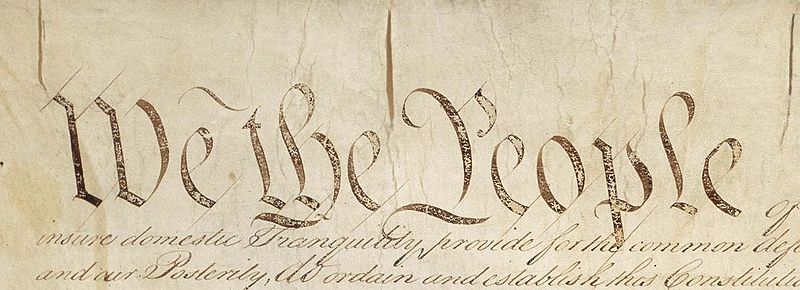
Reading The Crooked Path led me to reflect, once again, on how historians think about contentious issues in the histories we explore. In the first place, I understand that I have not read deeply enough in the field to draw strong conclusions of my own on the central issue of whether the U.S. Constitution was “pro” or “anti” slavery, although I’m persuaded by Oakes’ superb book that it was both. Second, I found it affirming and energizing that historians who have been deeply immersed in the subject are not just capable of, but willing to modify their analysis in the face of more reasoned arguments and new evidence. As Blight observed: “We may be dead certain, or even mildly sure, about facts and the stories we tell about them, but our craft requires us to remain open to new persuasions, new truths.” Finally, and because of both points, I find it utterly infuriating that these rich debates will be shut out of classrooms in dozens of states because their instructors, quite simply, are forbidden by state law from raising them. Under the banner of opposing the “indoctrination” of students, hundreds of bills have been introduced to ensure that students will be prevented from grappling with the debates that shaped the nation’s history and continue to influence its evolution.
 After Class