Steven S. Volk
It’s been a while. Some months have passed since I last posted to “After Class.” To those who have written wondering whether I’ve been stricken with COVID, fallen into a ditch, or just tired of writing: thanks for your concern. I’m fine, and actually have spent these last many months writing a book with my colleague, Beth Benedix of DePauw University. The Post-Pandemic Liberal Arts College: A Manifesto for Reinvention (Belt Publications) came out at the end of September. The book reaffirms our intense pride at having taught a (combined) half century in liberal arts colleges and seen generations of our students, regardless of their myriad career paths, remain engaged with their communities and devoted to what in Hebrew is called tikkun olam, repairing and making the world a better place. And, holy crap, is that ever needed now!
At the same time, we express our concern that, rather than taking advantage of their small size and residential nature, our colleges are replicating the departmental structures characteristic of much larger universities and holding fast to traditional pedagogies and curricula that do not adequately prepare students for the world they will enter. What is more, we have become increasingly frustrated by how these colleges, including our own, reproduce wider structures of economic exclusion and systemic racism. Although they are hardly alone in this, they have frequently become engines of inequality, using selectivity as a mask for elitism. Our “manifesto” suggests how, coming back from the COVID-19 pandemic, as we will, small liberal arts colleges should reimagine, reinvent, and redesign themselves to address these problems.
Continue reading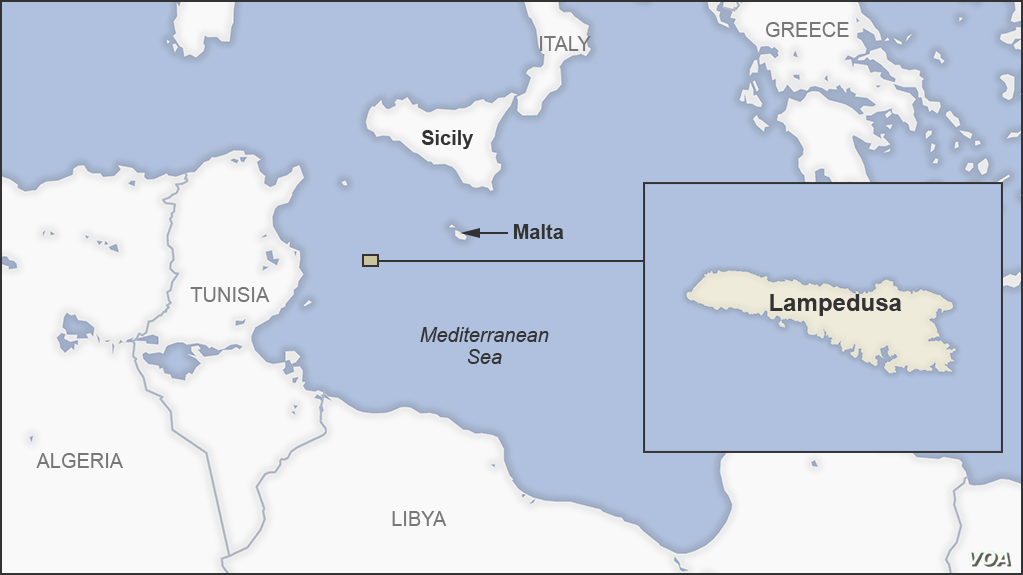 October 3, 2013: A boat carrying more than five hundred Eritreans and Somalis sank off Lampedusa, a small Italian island in the Mediterranean between Sicily and Tunisia. The boat went down quickly, but those who survived remained in the water for five hours, often clinging to the floating bodies of their dead companions. Among them was a young Eritrean woman, perhaps 20 years old, who literally gave birth as she drowned. Her waters had broken in the water. Rescue divers found the dead infant in her leggings, still attached by the umbilical cord. As Frances Saunders wrote in the
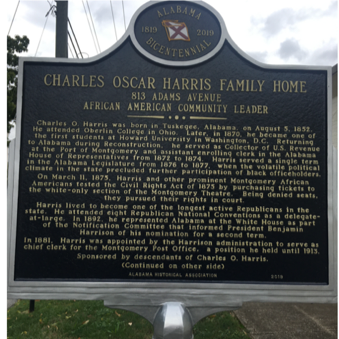 Other sites and museums documented the astonishing efforts of hundreds and thousands of (mostly) unnamed individuals who fought enslavement, Jim Crow, and racial terrorism. In each city, we stopped to read the plaques and remembrances of those who were part of that struggle, soldiers in a battle for equality and dignity. In Montgomery, we read the plaque (left) dedicated to Charles Oscar Harris, African American Community Leader, who was one of the longest active Republicans in Alabama. “On March 11, 1875,” the marker noted, “Harris and other prominent Montgomery African Americans tested the Civil Rights Act of 1875 by purchasing tickets to the white-only section of the Montgomery Theatre. Being denied seats, they pursued their rights in court.” He raised 10 children with his wife, Ellen Hassell Hardaway, 9 of whom attended college (the 10th died in childhood). Mr. Harris, the plaque informed, attended Oberlin College.
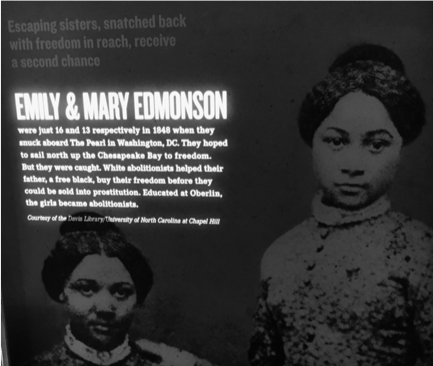 In the National Civil Rights Museum in Memphis, we learned about Emily & Mary Edmonson (right), who “were just 16 and 13 respectively in 1848 when they snuck aboard The Pearl in Washington DC,” hoping to sail north to freedom. They were caught, but “white abolitionists helped their father, a free black, buy their freedom before they could be sold into prostitution. Educated at Oberlin, the girls became abolitionists.”