Steven Volk, March 4, 2019
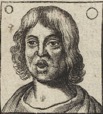
All images from John Wilkins’ An Essay Towards a Real Character and a Philosophical Language (1668), Wellcome Library, London
In an “off-script” romp before the Conservative Political Action Committee (CPAC) on March 2, President Trump announced his intention to issue an executive order to block federal grants to colleges and universities that don’t take steps to “guarantee free speech.” Here’s some of what he said:
“We reject oppressive speech codes, censorship, political correctness and every other attempt by the hard left to stop people from challenging ridiculous and dangerous ideas. These ideas are dangerous,” Trump said. “Instead we believe in free speech, including online and including on campus.”
Wait, what? What does that even mean? That Trump opposes the “hard left” from confronting people with “ridiculous and dangerous ideas”? That “ridiculous and dangerous ideas” should be welcome on college campuses while any attempt to prevent them should be challenged? That people should be allowed to express their opposition to the “hard left’s…ridiculous and dangerous ideas” because those ideas are “dangerous” and therefore should be, um, censored?
Ugh. Why waste time parsing Trump’s verbiage when his CPAC listeners, like lions in a cage urging their keeper to throw them another hunk of red meat, know exactly what he means irrespective of the words that tumble from his mouth? To conservative Trump supporters – and nearly four-fifths of Republicans think that professors are bringing their (one assumes liberal) political and social views into the classroom – all higher education is a snobbish club where coddled snowflakes and feminized “soy boys” flee from challenging ideas, debate pronoun use, and beat up those foolish enough to sport a MAGA hat on campus. (We’ll just ignore the contradictions here.) Trump and CPAC can extravagantly salute the “free speech” flag without either actually supporting it – more on this below – or understanding its intricacies.







 After Class